October 09, 2026


Ask ten gardeners in ten British gardens whether composite or timber decking is the better buy and you will get ten different answers — usually based on the deck they already own. It is a fair response. Both materials do the same job on a warm evening in July, but they behave very differently in a wet February, beneath a dripping gutter, or after five years of fallen leaves and drizzle.
Here is a straight comparison of what actually matters in a UK garden: what you pay, what you have to do to it, how it grips when wet, how the colour holds, and how long each one lasts.
Composite boards are a mix of recycled plastic and wood fibre, with pigments added and, on better boards, a protective outer layer. Capped boards have that skin on all four sides; uncapped ones are the same material through the thickness. Capping costs more and holds up better against stains and moisture.
Timber decking in the UK is mostly pressure-treated softwood — pine or spruce, treated to resist rot — and it is the cheapest way to cover a rectangle of ground. At the other end, hardwoods such as iroko, balau and cedar are denser and naturally durable, cost considerably more, and often need pilot holes and stainless fixings. If you go hardwood, ask where it came from and whether it is responsibly sourced.
Composite boards normally cost more per square metre than pressure-treated softwood, and the gap can be wide. Hardwood sits somewhere near composite, depending on species and supplier. But board price is only part of the story.
When you compare quotes, check what is included: removing the old deck, ground preparation, weed membrane, edge trims or fascia, steps, handrails, delivery and VAT. A cheaper quote often leaves out the fascia boards that make an edge look finished.
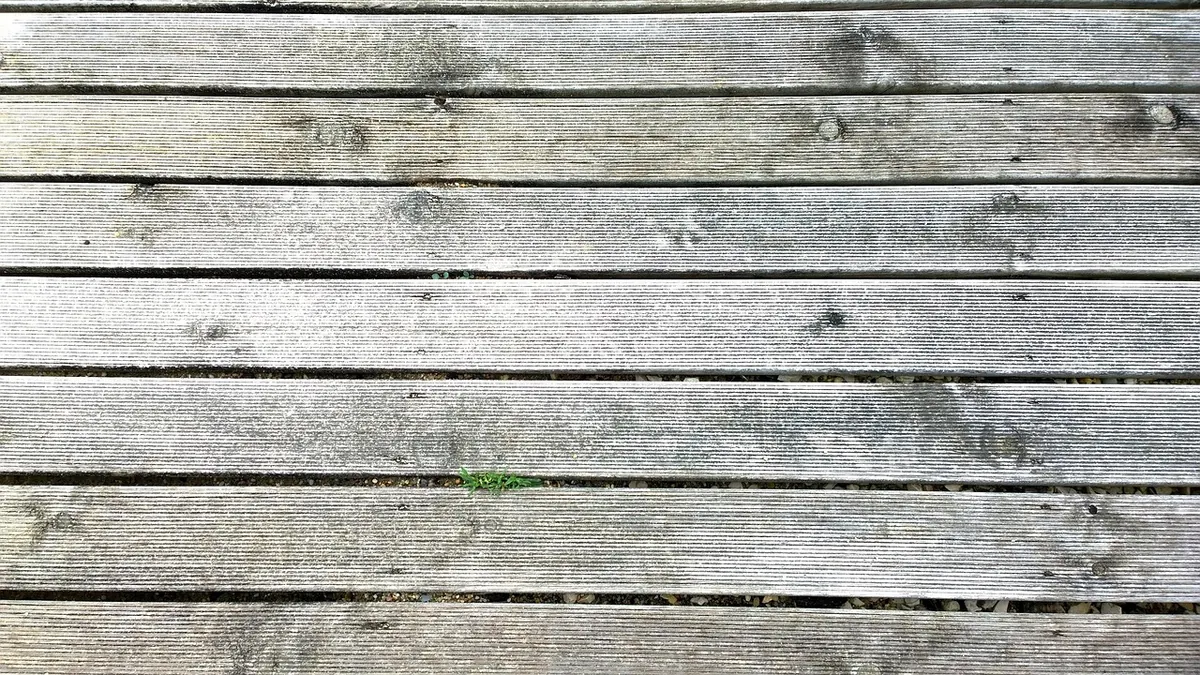
Timber is not hard work, but it is not zero work. Expect to clean it in spring and re-oil or stain every year or two, more often on a south-facing deck that takes sun and rain. Skip it and the surface greys and dries; grey timber is not rotting timber, but it looks tired, and a dry surface lets water sit in the grain.
Composite is easier. A stiff brush, warm soapy water and a rinse deals with most of it, and you never have to sand or refinish. That does not make it maintenance-free, whatever the brochure says. Barbecue fat, sun cream, plant pot rings and bird droppings all leave marks, and uncapped boards hold a stain more readily than capped ones. Clean spills while they are fresh.
In shade, both will grow a film of algae and mould. That is a garden problem rather than a material problem, and it happens faster under trees or beside a north-facing wall. Keep the gaps between boards clear, and keep soil and mulch below the joists rather than banked against the frame.
Any deck is slippery once a layer of algae forms on it. A smooth, planed softwood board in a damp, shaded corner is about as bad as it gets. Grooved boards drain and grip better than smooth ones, and a brushed or matt composite surface grips better than a glossy-looking one.
If grip matters — steps, a slope, a route to the garden gate — ask the supplier for the board's slip resistance test results rather than trusting words like "anti-slip". Reputable makers publish pendulum test values or an R rating. Timber can be improved with anti-slip strips or grip tape on steps and ramps, and a regular clean removes the algae film that causes most slips in the first place.
Timber changes colour, and that is part of its charm if you accept it. Untreated softwood fades to silver-grey within a season or two. Oiling keeps a warmer tone, but you are signing up to repeat it. Hardwoods fade more gracefully but are not immune.
Composite fades too. Uncapped boards with a lot of wood fibre can lighten and dull; capped boards with modern pigments hold colour much better. Very dark colours show every footprint, pollen dusting and water mark, and they get noticeably warm underfoot in direct sun. Mid-tones, greys and beiges are more forgiving here. Ask how the warranty treats colour change, because fading and staining are often handled separately from structural faults.
A well-built, well-ventilated pressure-treated softwood deck can give you a decade and a half, and hardwood rather longer. Most failures on timber decks are not the boards — they are the frame, cut ends sitting in wet soil, or a deck built tight against the house with no airflow underneath. Treat cut ends, keep joists off the ground, and leave ventilation gaps.
Composite does not rot, so its weak point is support. If joists are spaced wider than the manufacturer's span table allows, or the ground moves, boards can sag or squeak. Follow the installation guide and it should outlast softwood comfortably.
At the end of its life, timber can be reused, chipped or taken to a household waste site — check local rules for treated timber, and do not burn it in a stove or on a barbecue. Composite is recyclable in principle, but that depends on your local facility, so ask before you commit.
Work backwards from how you want to spend your weekends.
Before you order, get samples and leave them outside for a few weeks of real weather. Splash them, walk on them in wet shoes, and see how they feel in bare feet. Read the warranty properly and ask what it excludes. Depending on its height and position, a new deck may need approval under permitted development rules, so check with your local authority if you are unsure. Two or three quotes from installers who have built both will tell you more about your own garden than any comparison table.
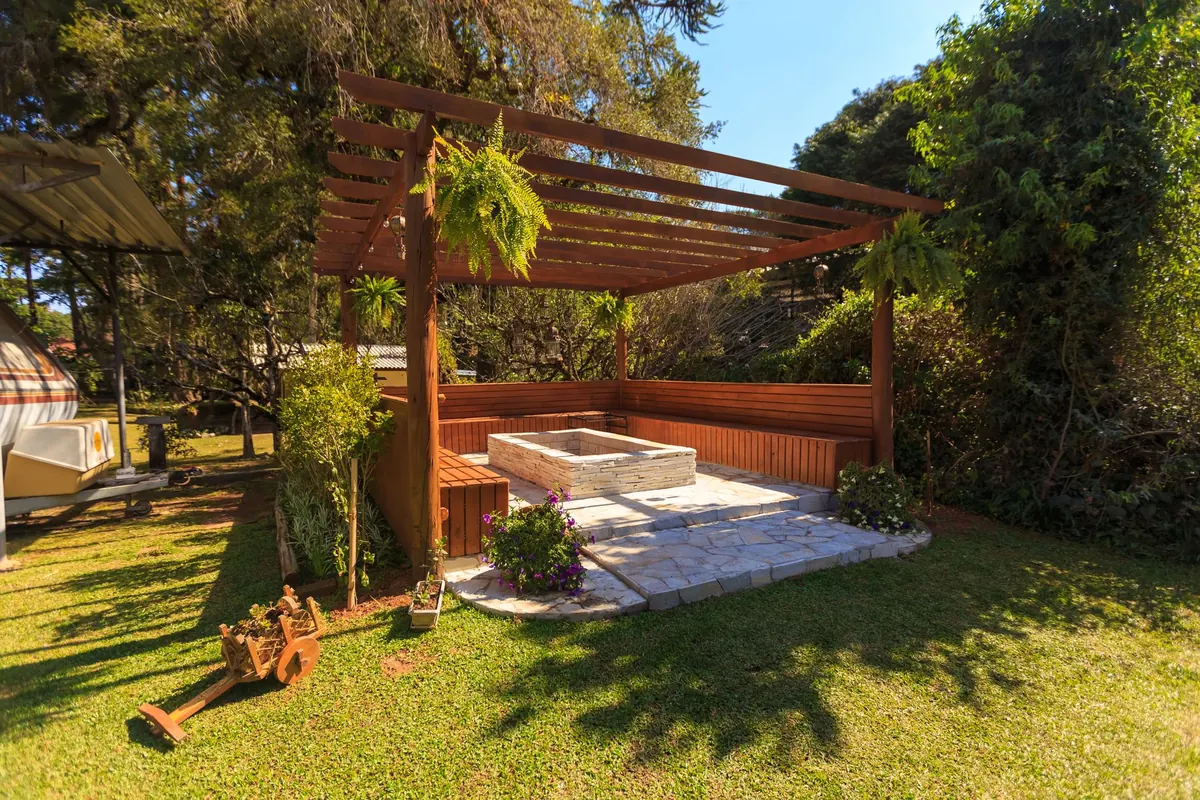
Photo: joaovinagre / Pixabay
Elevate your outdoor living space.
Copyright © 2026 Summit Yard. All rights reserved. Summit Yard.